


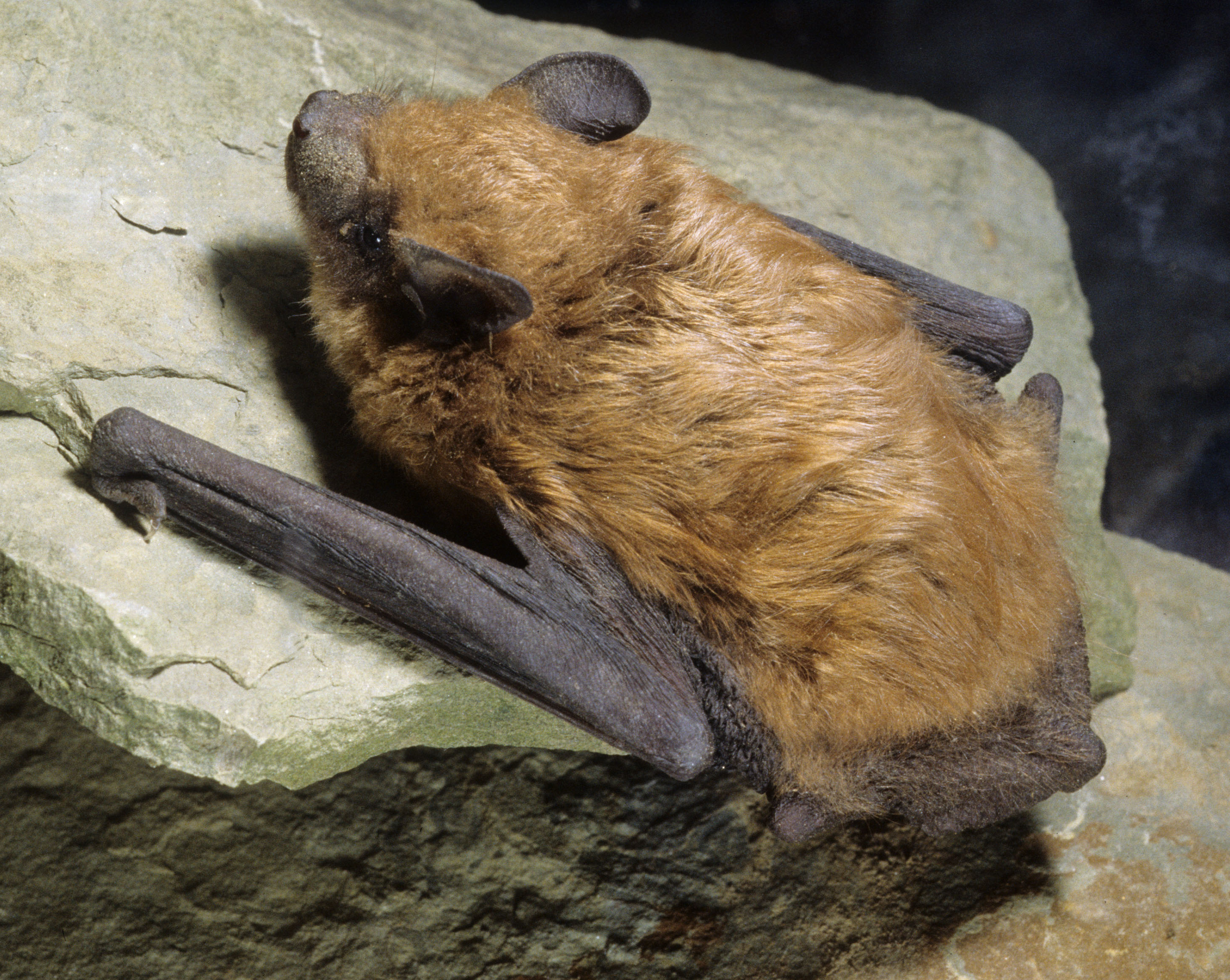
The Big Brown Bat! (Eptesicus Fuscus)
(Information courtesy of Bats Northwest, a local nonprofit)
We often do not pay much attention to the ecosystem that surrounds us. In the hustle and bustle of daily life, it is easy to forget that the city we call home does not just house us - it also is home to plants and animals of many sizes. Birds, insects, even the occasional urban mammal like stray cats or raccoons.
One common species of animal that has been on my mind ever since my wandering of the Mother Nature’s Window trail is bats. After all, many local bat species roost on trees or snags (standing dead trees), and the trail is bound to be home to a colony or two. It was shortly after the trail opened in the winter; our local bats tend to hibernate in the winter, so I was not going to be able to see any, but it is worth remembering their role in our ecosystem regardless.
There are 14 bat species throughout our state, 10 of which live statewide while the other 4 mostly reside in Eastern Washington where it is more hot and arid. Seven of those species have been recorded in Seattle near the Woodland Park Zoo. All of our local bat species are considered microbats that feed off insects (as opposed to megabats that mostly feed off fruit)
Bats play a vital role in our ecosystem. They are natural predators of insects, many of which are pests that can ravage our gardens, crops, and forests. They consume massive amounts of moths, beetles, and mosquitos every night. Many bat species even pollinate crops, contributing further to our ecosystems and furthering biodiversity. Thanks to bats, we enjoy healthier crops and healthier ecosystems.
Contrary to many cultural stereotypes, almost no bats feed on blood. Out of the over 1450 extant bat species living throughout the world, only three feed exclusively on blood, and those that do mostly target birds and livestock. None of Washington’s local bat species feed on blood, all of our local bats are insectivorous. Bats do carry diseases, but you are exceedingly unlikely to get sick unless you touch an infected bat that is lying on the ground (because of their echolocation abilities, bats will almost never ram into you during flight). They are not dangerous to humans, and in fact, many local bat species are endangered. The little brown bat (Myotis lucifugus) is an example: Thanks to white-nose syndrome, an extremely fatal fungus that affects bats’ ability to hibernate, little brown bat populations have declined greatly, especially in caves where they hibernate for the winter.
White-nose syndrome is present in the Puget Sound, so for the sake of our bats, make sure to wipe your shoes and wear clean clothes at the entrance to places where bats may roost, such as our very own Mother Nature’s Window trail. Awareness and appreciation of our local bats goes a long way towards local conservation efforts.